Our Communities
Conche
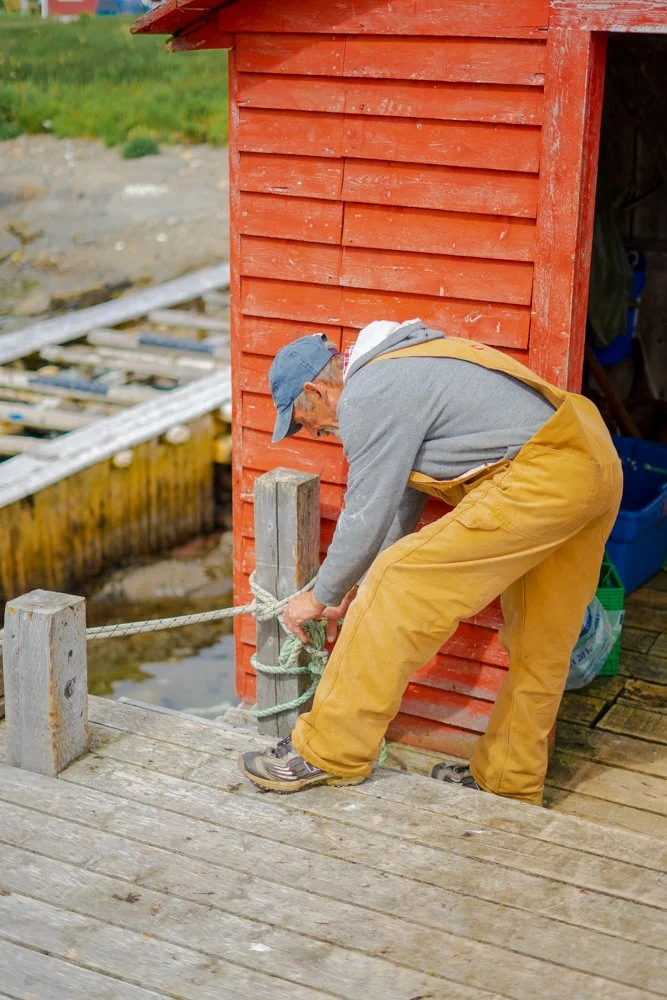
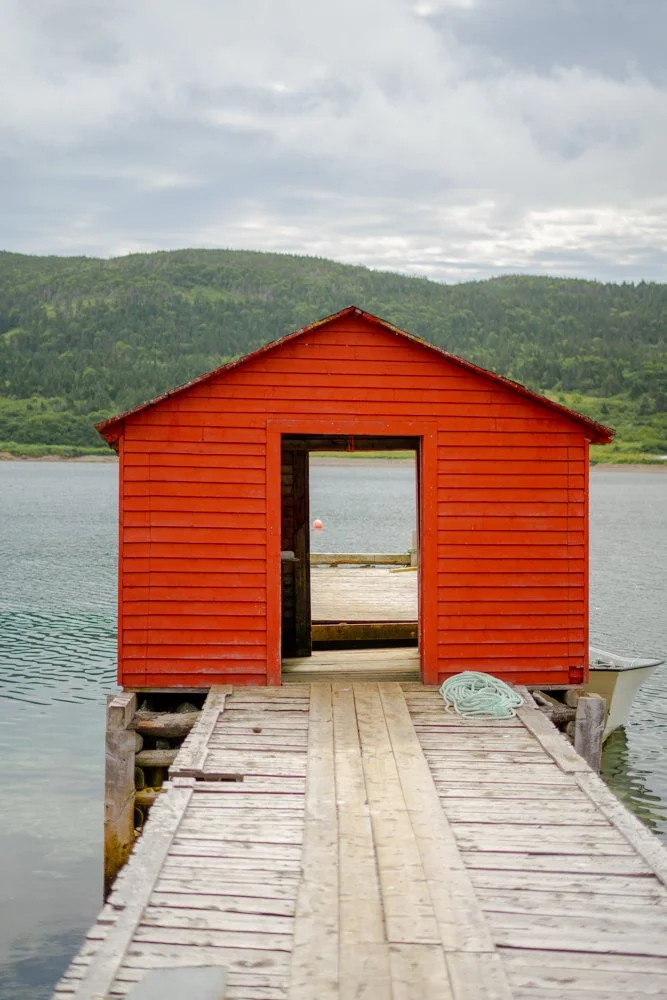
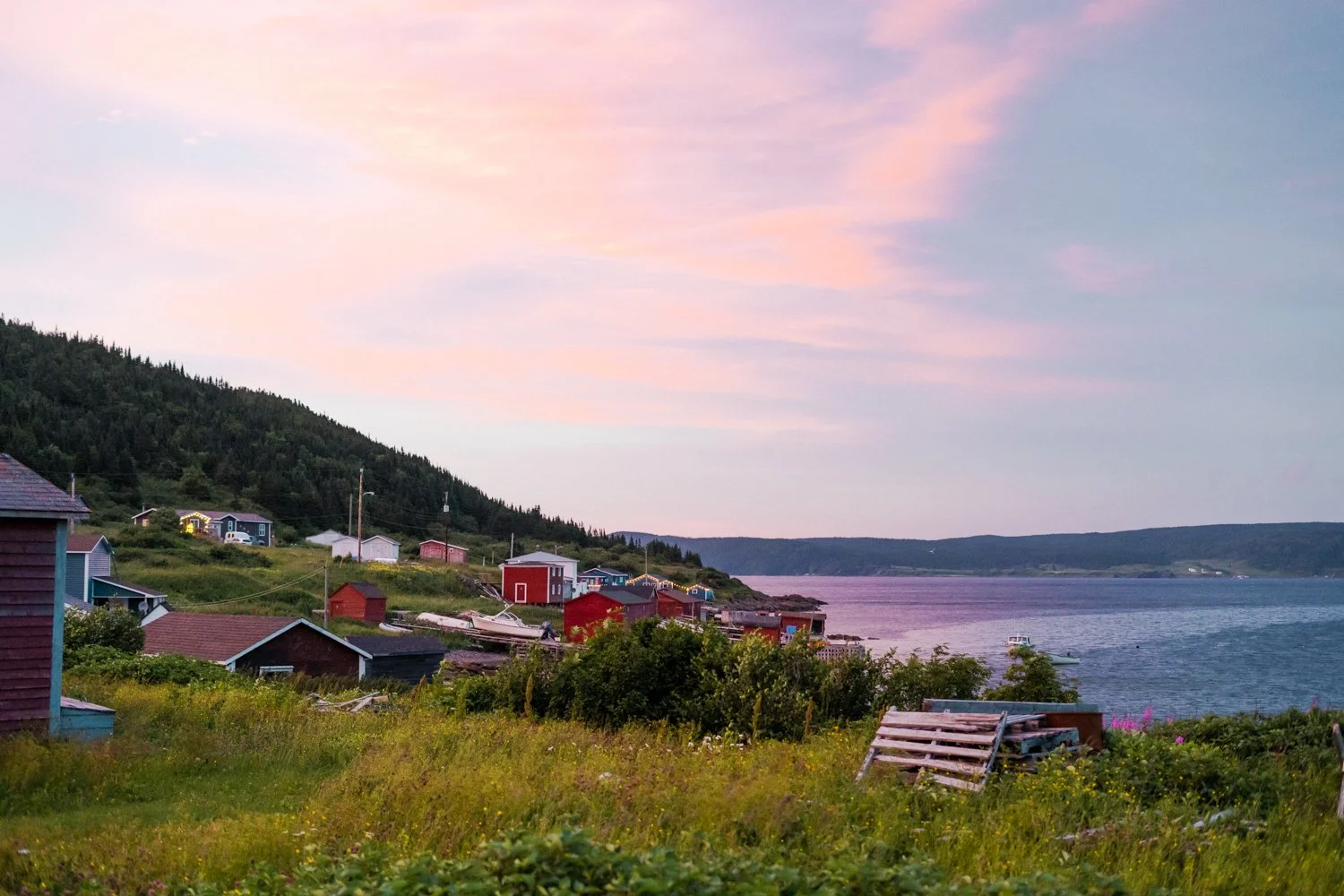
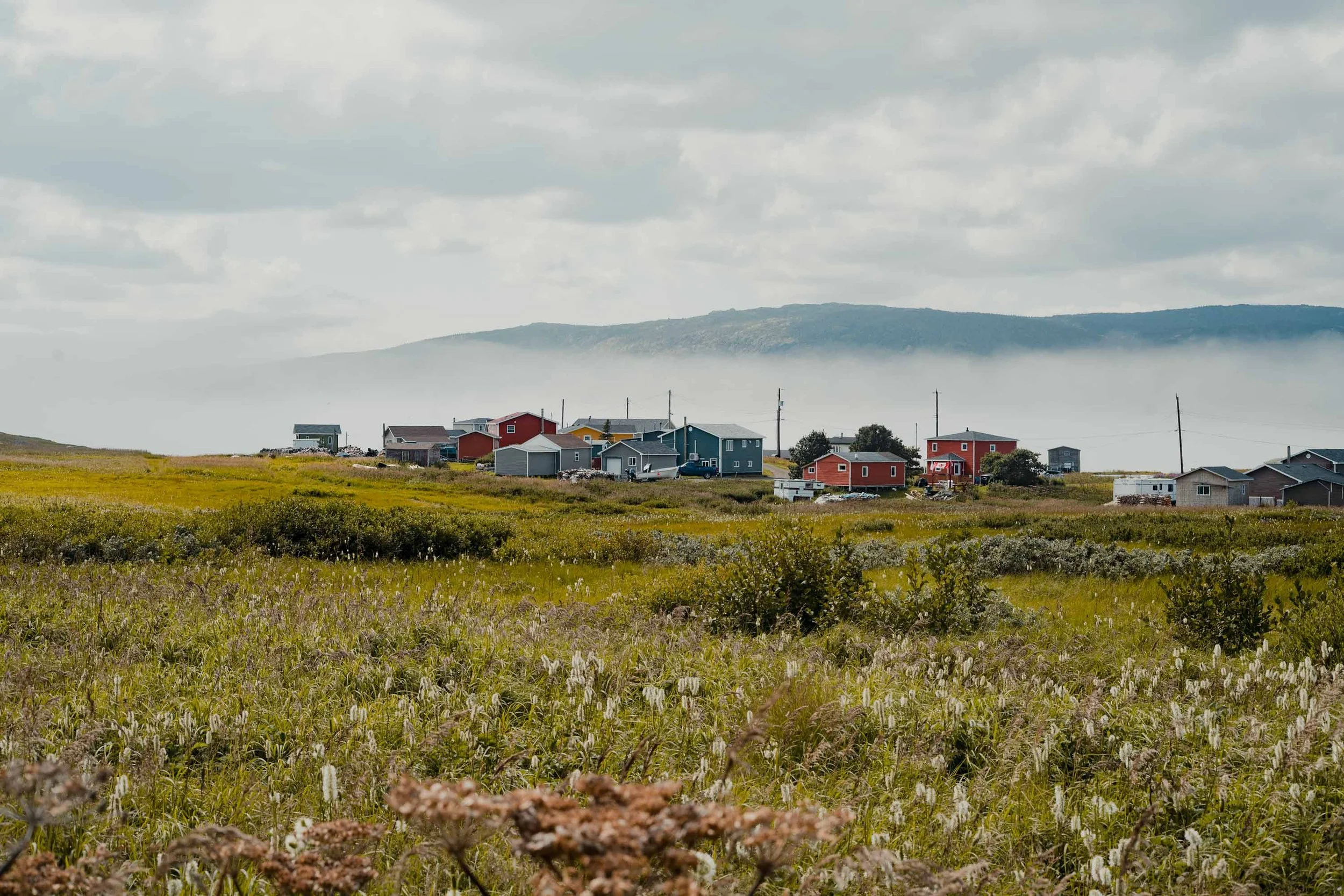
There are places that exist at the edge of the known world, and Conche is one of them. Perched on the eastern shore of the Great Northern Peninsula, reachable only by a single road that ends where the land does, this small community of 150 people carries five centuries of history in its bones.
French fishermen from Brittany worked these waters as far back as the 1500s, crossing the North Atlantic each spring to harvest cod from the grounds they called le petit nord. They built harbours, drying flakes, and fishing rooms — and when European wars and treaty negotiations carved up the coastline, a small number of Irish and English families stayed behind as caretakers. The Caseys, the Carrolls, the O'Neills. Families who took root in the sheltered coves and never left. By the mid-1800s, Conche was a settled, living community — Irish, Catholic, shaped entirely by the sea.
The 1992 cod moratorium changed everything. Nearly 500 years of fishing culture suspended in a single announcement. Three hundred people left in the years that followed. Those who remained built something new from what was left — including the extraordinary French Shore Tapestry, 227 feet of embroidered history stitched by the women of this community, now housed in a former nursing station overlooking the harbour. It is one of the most quietly remarkable things in Newfoundland.
Northeast Crouse
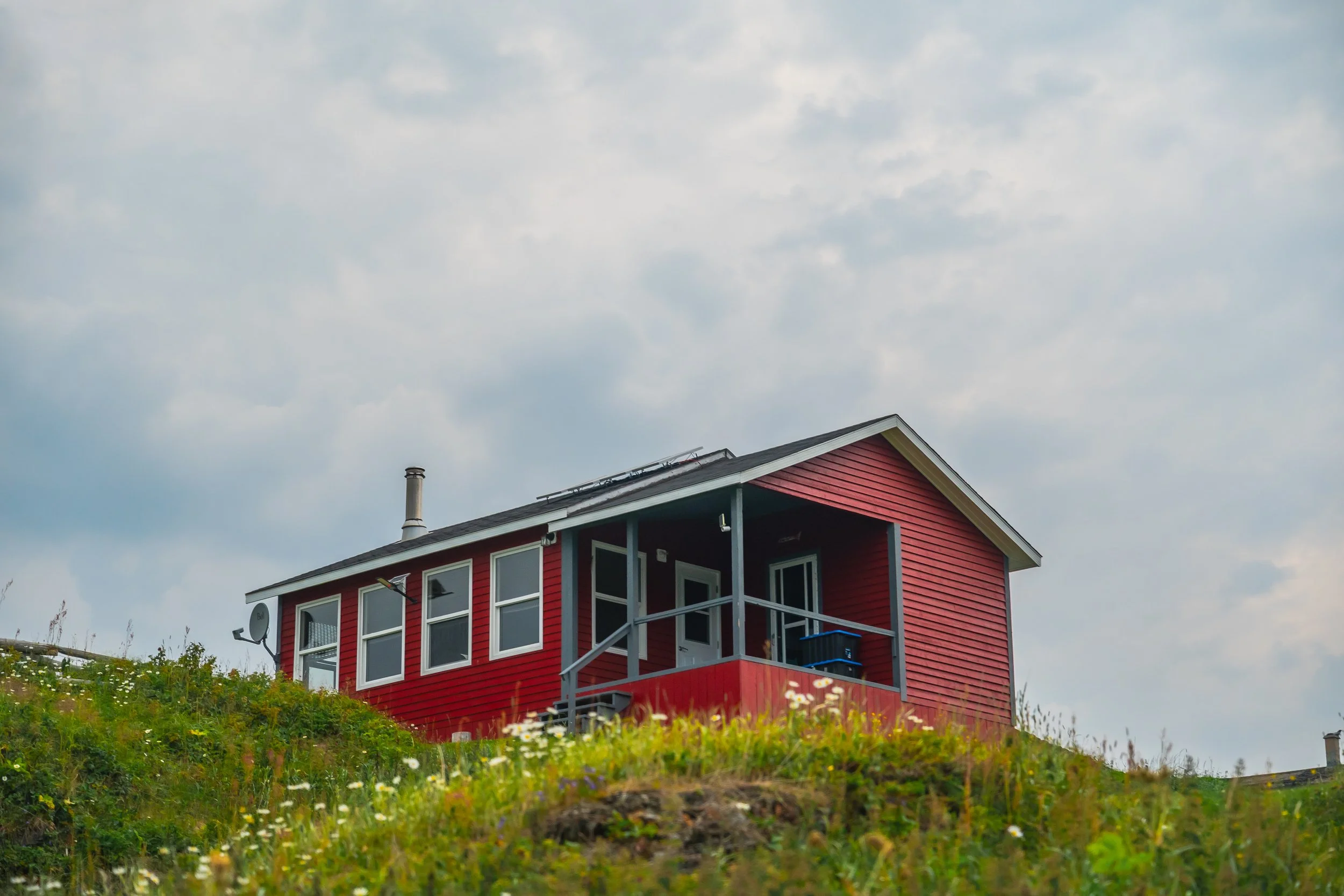
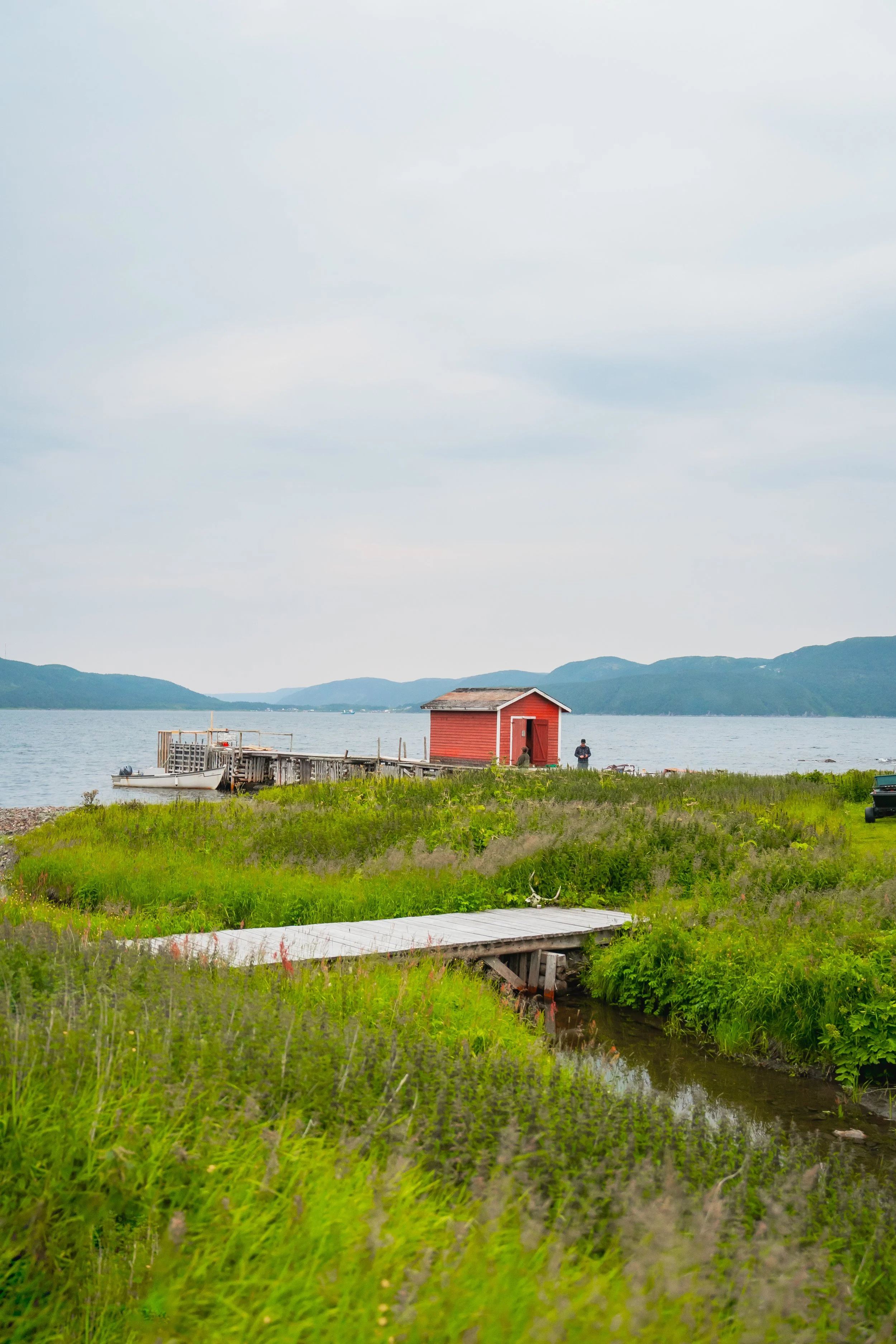
A mile north of Conche, past the narrow isthmus, the land opens into something older and emptier. Northeast Crouse was resettled in the 1960s — its families relocated, its houses in some cases floated across the water to new foundations. What remains is landscape: cliff and cove, open ocean, the Conche peninsula.
Gerard Chaytor, one of the founders of Chaytors Adventures, is from this place. His family lived in Northeast Crouse and relocated to Southwest Crouse in the 1970s. He grew up with the stories of the old community — who lived where, what the harbour looked like when it was full of boats, what people carried with them and what they left behind. When Gerard guides you through this landscape, it is not simply history being recounted. It is memory being shared.
The history runs deep. The French knew this harbour as Carrouse and used it as a naval anchorage for centuries. In 1707, two French warships were sunk in the adjacent Martinique Bay during an English privateer attack — their wreckage still rests on the ocean floor, a designated Provincial Historic Site. In the 1800s, Irish settler families moved in as caretakers of French fishing rooms, and a small community took shape around the coves until the last French ships withdrew in the 1860s.
To visit Northeast Crouse with Chaytors Adventures is to stand inside a story — and hear it from someone whose family is written into its last chapters.
What Sets Us Apart
Unique Stays
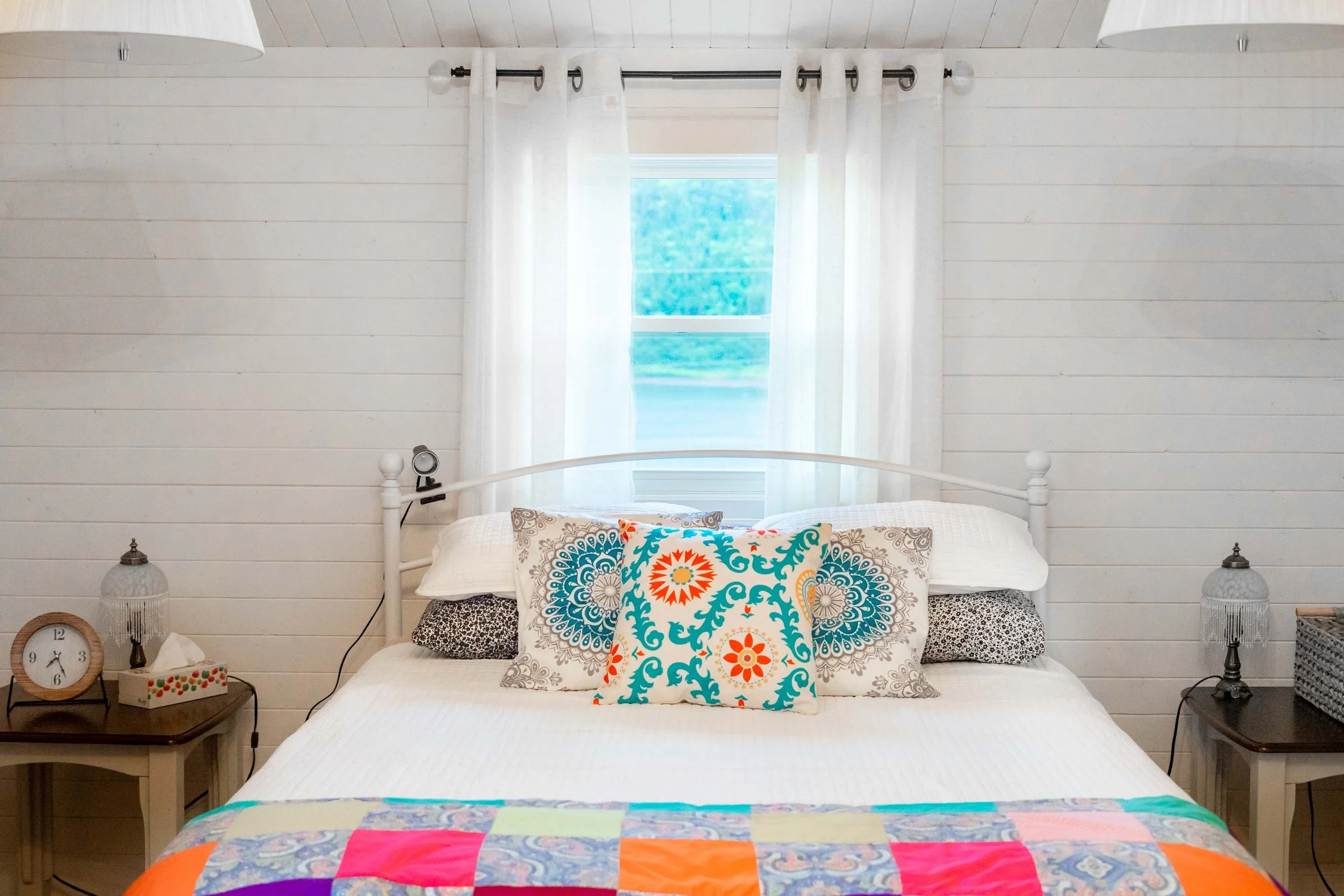
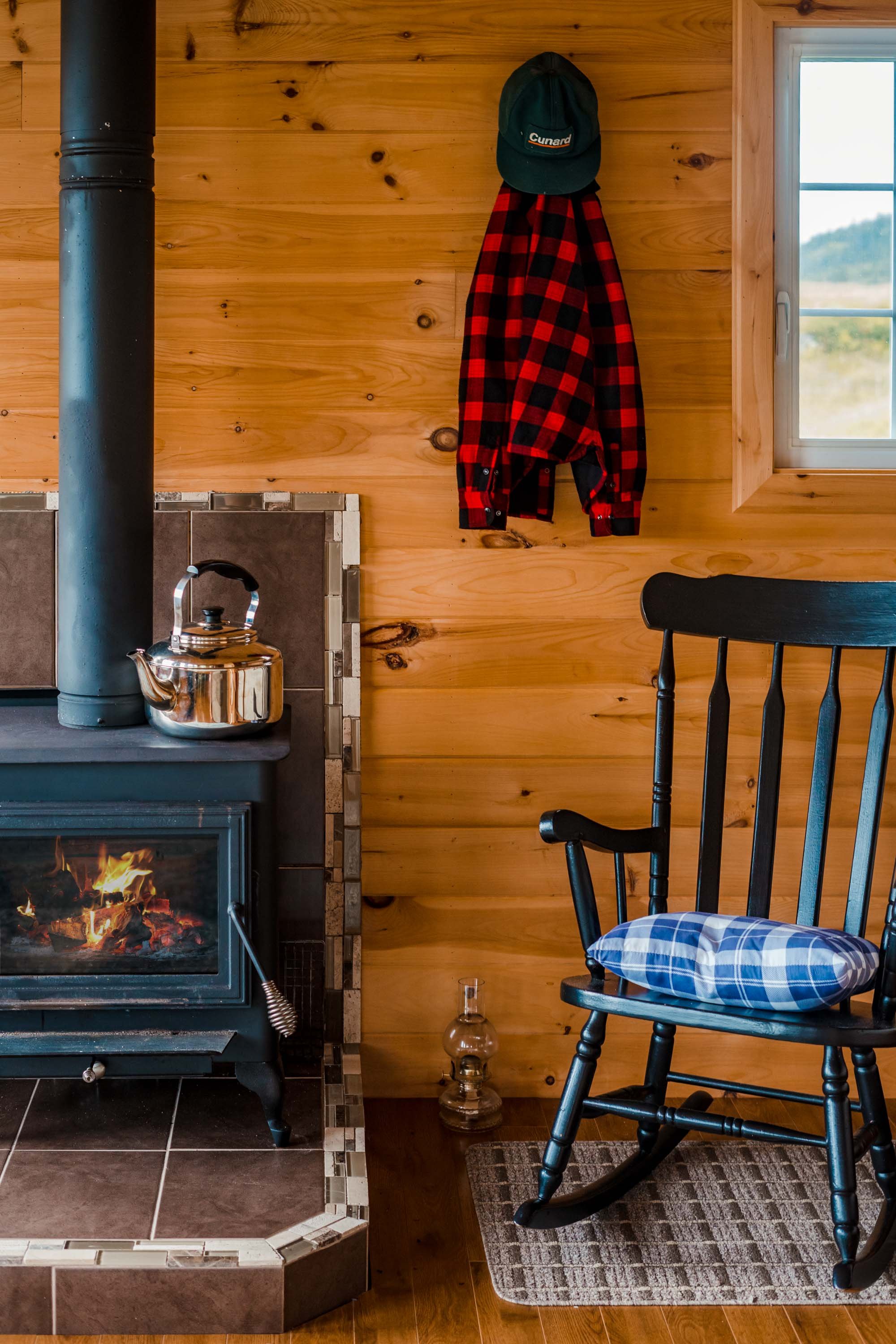
Each space was designed by Angela herself to reflect the vibrancy and character of outport Newfoundland. No two rooms, no two views, no two stories the same.
Local Connection
Gerard’s family has called this corner of Newfoundland home for generations. When he takes you out, you're not getting a rehearsed tour — you're getting the real thing.
Airbnb Superhosts
Consistent, thoughtful, and responsive — because your experience matters from the first message to the last morning.